
Choosing Glass for Riyadh's Climate: Solar Heat Gain or U-value?
September 5, 2026 · 5 min read
In Riyadh the most important number is the solar heat gain coefficient (SHGC), because the largest load is direct radiation. Double glazing with selective Low-E cuts heat gain while keeping daylight, and the build-up varies by application and facade orientation.
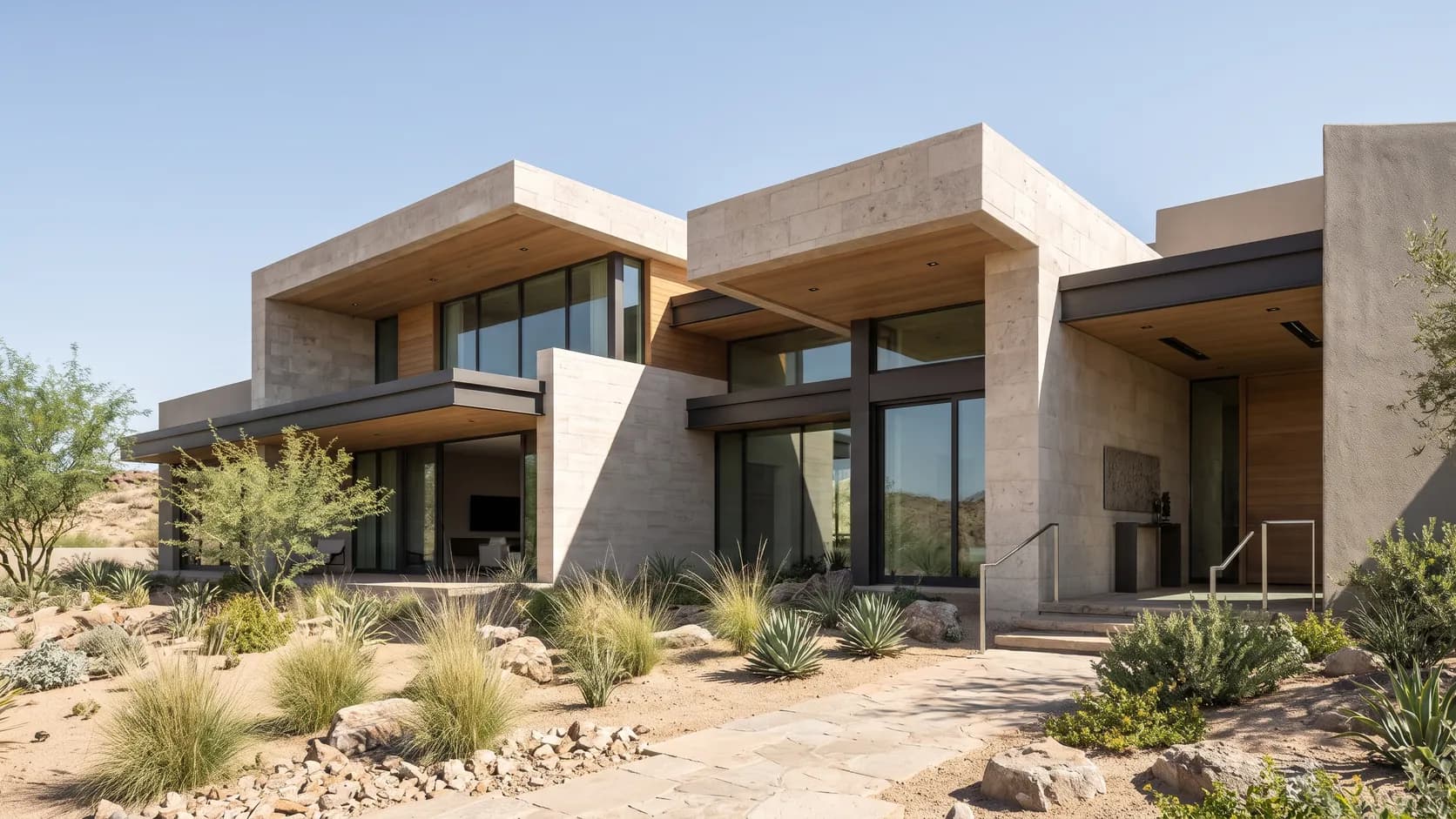
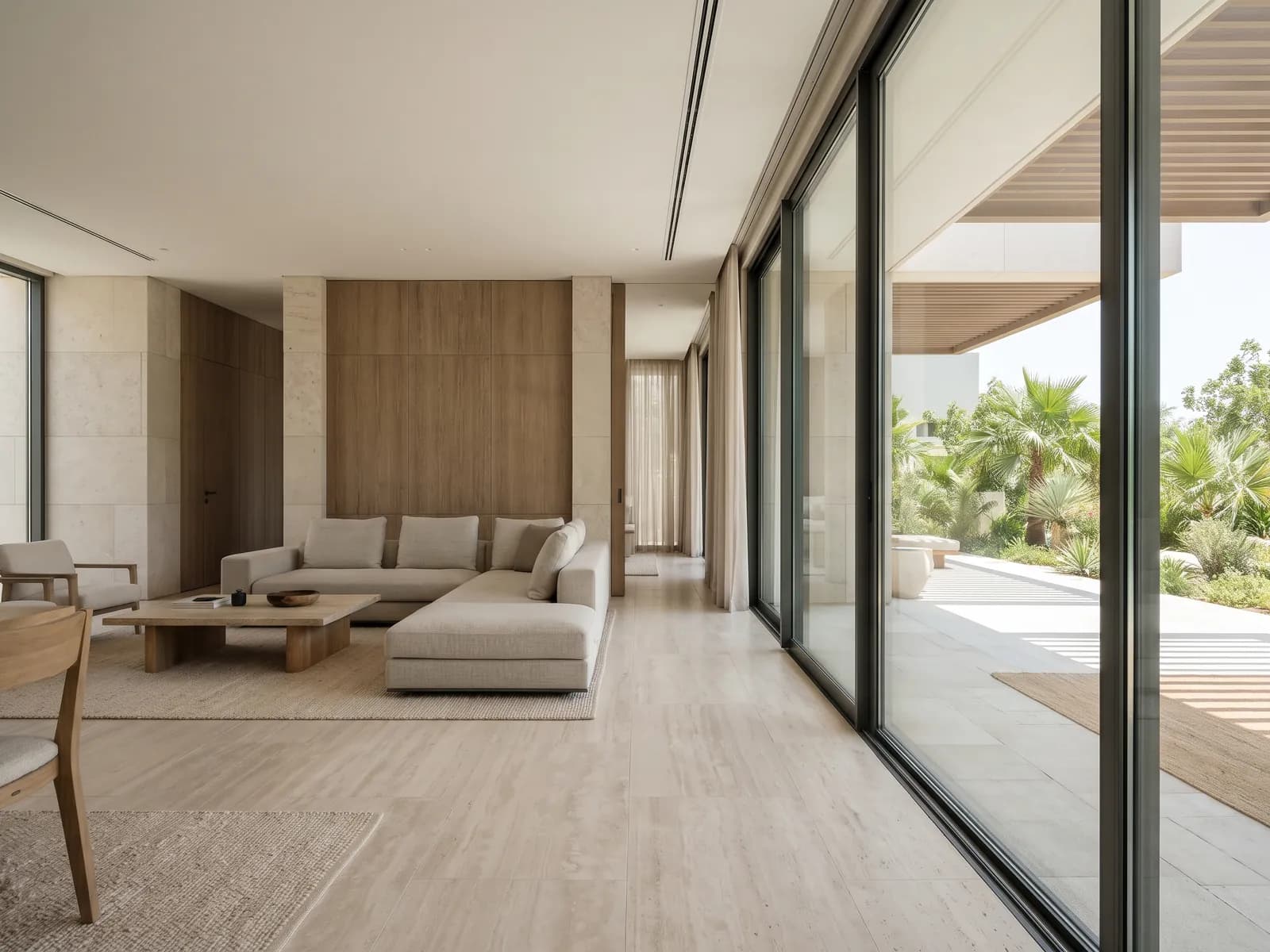
AI-generated illustration, not a photograph of a completed project.
In Riyadh the single most important number in a glass specification is the solar heat gain coefficient (SHGC), not insulation alone, because the dominant load is direct solar radiation rather than the temperature difference across the glass. A double glazed unit with a Low-E coating and argon fill cuts that gain substantially compared with single glazing.
Why is Riyadh a special case?
Riyadh is a special case because it combines three conditions that rarely occur together: a long summer with peaks above 45 degrees, high solar radiation year-round, and airborne dust that settles on external surfaces. Glass chosen for a temperate climate is chosen for insulation; glass chosen here is chosen first for rejecting radiation.
The load also varies by orientation: west facades take hot afternoon sun at a low angle that is hard to shade, and horizontal roof glazing receives the most radiation of all. So each facade of the same building may need a different build-up.
Which two numbers should you ask about?
The two numbers to ask about are the solar heat gain coefficient and the U-value, with light transmission to balance them:
| Metric | What it measures | Better in Riyadh |
|---|---|---|
| SHGC | Share of solar energy passing through | Low |
| U-value | Heat transfer by conduction | Low |
| VLT | Visible light transmission | Balanced against SHGC |
The common mistake is looking at U-value alone. An excellent U-value with a high SHGC gives a facade that lets solar heat in and then keeps it there. Selective coatings in Low-E glass and high-performance glass lower SHGC while keeping enough daylight.
Which build-up suits each application?
The right build-up depends on the application and the orientation. These are common practical recommendations:
| Application | Typical build-up |
|---|---|
| Office facade | Double glazed, Low-E on surface 2, 12-16 mm cavity |
| Residential windows | Double glazed with Low-E, argon where practical |
| Directly sun-exposed elevation | Selective Low-E with low SHGC |
| Skylights and roof glazing | Double glazed with solar control and a laminated inner pane |
| Internal partitions | Single tempered; thermal performance not required |
To understand the parts of a unit, see insulated glass units explained, and for villas in particular the benefits of thermal insulating glass for homes. For glass roofs, see our skylight glass page.
Which mistakes keep repeating?
Three mistakes keep repeating in choosing glass for Riyadh, and all of them show up after the first summer:
- Dark tinted glass to cut heat: it absorbs heat and darkens the space, and artificial lighting is then added to compensate.
- Argon without confirming the seal: the gas escapes if the edge seal is poor, and the performance paid for is lost.
- Forgetting that tempered glass cannot be cut after tempering: any late dimensional change becomes expensive.
In the dust season a facade loses efficiency when dust builds up on it, so cleaning access is planned from the start, especially for glass facades.
What we produce
We produce double glazed units, tempered and laminated glass to project dimensions at our Riyadh factory, with a team that brings 27 years of glass industry experience. In practice we always ask for final dimensions to be fixed before tempering, because a change afterwards means remaking the panel.
Frequently asked questions
What is the most important number when choosing glass for Riyadh?
The solar heat gain coefficient (SHGC), because the largest load is direct solar radiation; the U-value matters but is not enough on its own.
Is dark glass better for heat?
Not necessarily; it absorbs heat and reduces light, while selective Low-E lowers heat gain and keeps the daylight.
Is argon necessary in double glazing?
It improves insulation, but only helps with a well-sealed unit; otherwise the gas escapes.
Do all facades of a building need the same glass?
Not always; west facades and roofs receive more radiation and may need a build-up with a lower solar heat gain coefficient.
Send the drawing and facade orientations through the quote request form and we will propose a build-up for each facade.
Share this guide
Related Products
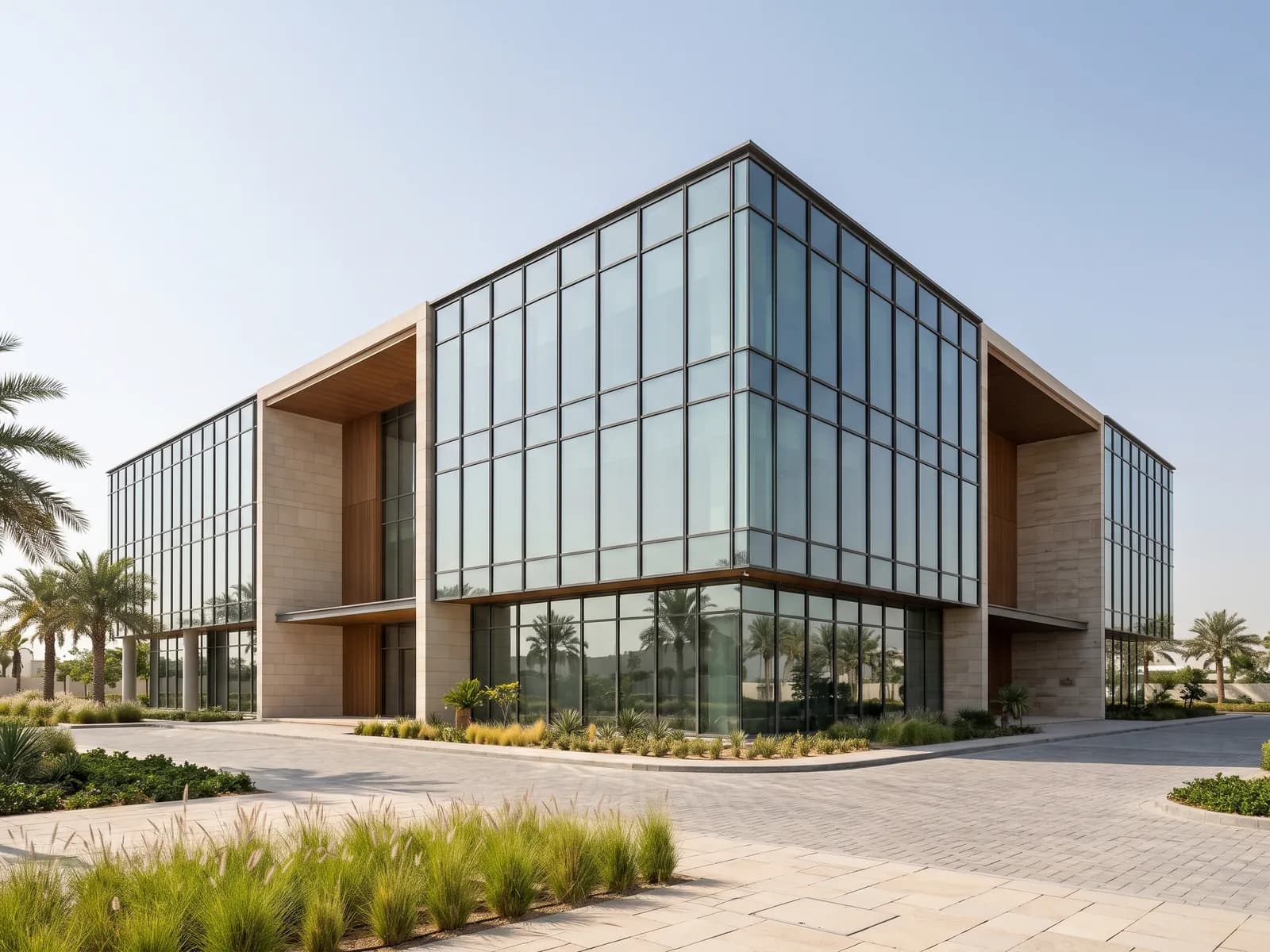
Glass Facades
Insulated and tempered facade units, cut and processed to project dimensions.
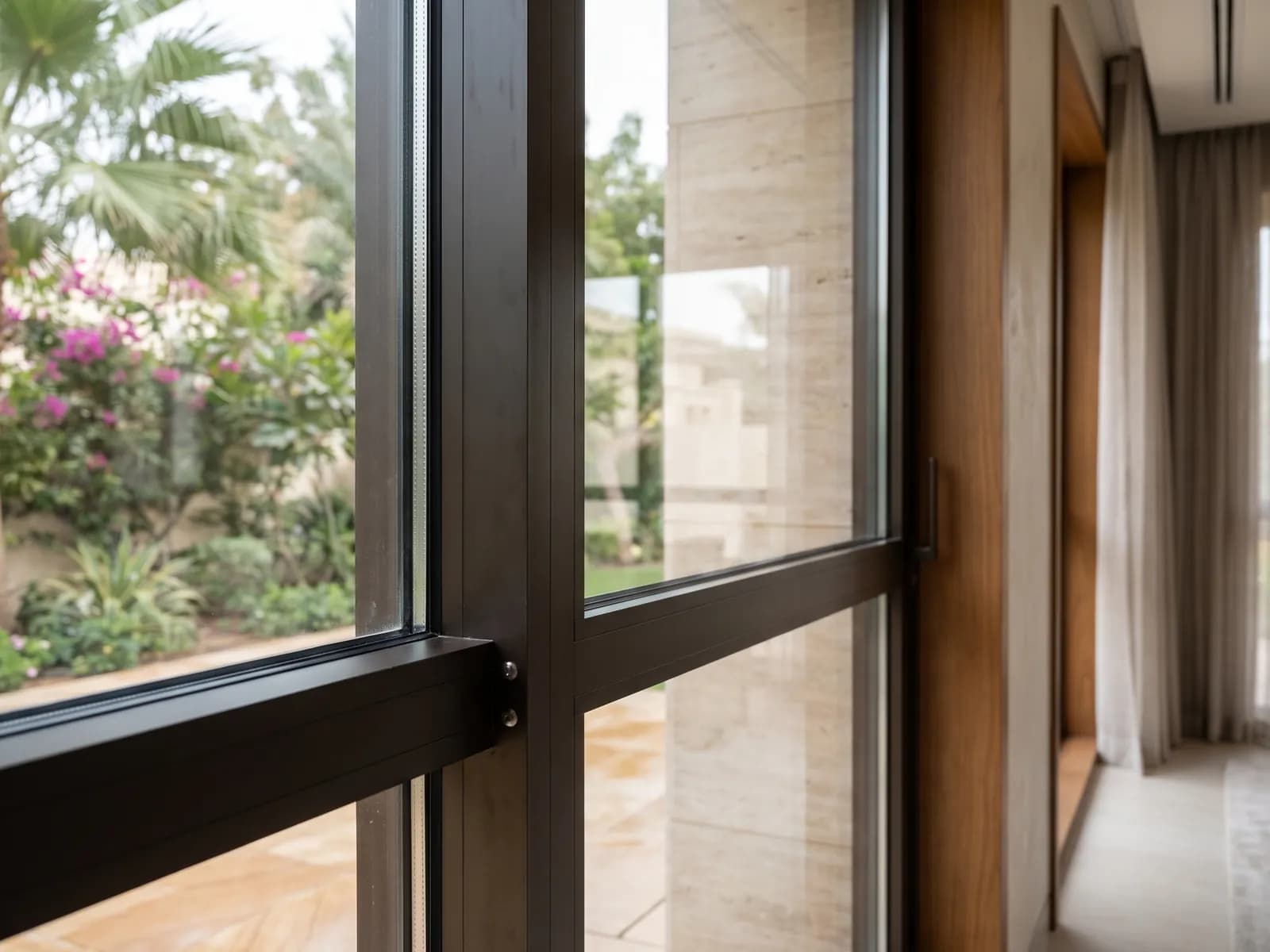
Double Glazed Insulated Glass
ALFA STAR for Glass makes double glazed insulated glass units to size in its Riyadh factory, for windows, facades and skylights in Riyadh and across Saudi Arabia. Double glazed unit with an argon-filled cavity, cutting heat transfer noticeably in Gulf climates.
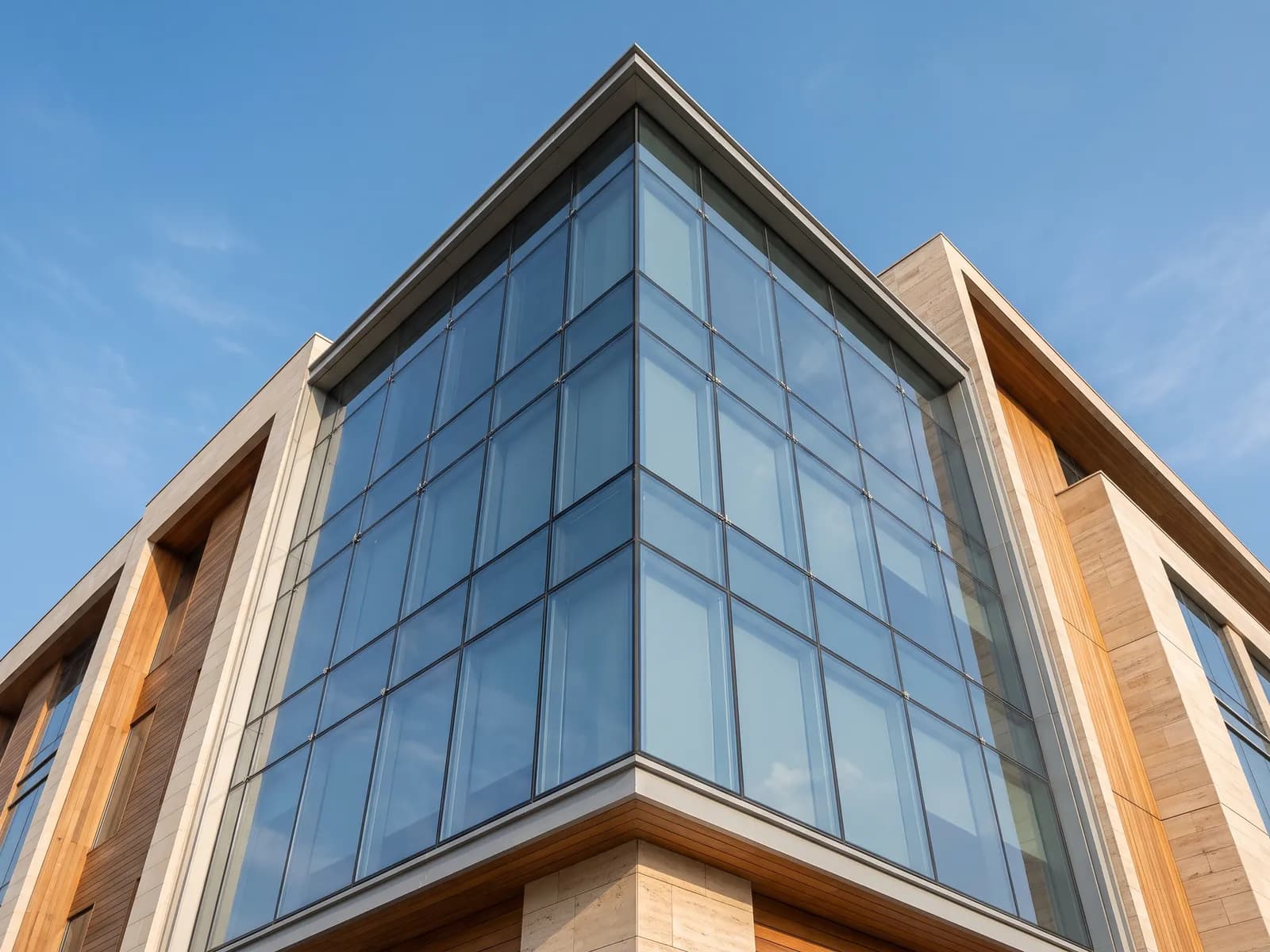
High Performance Glass
Glass with a solar control coating that intercepts direct solar gain before it enters, while keeping usable daylight. The target is a low SHGC with a high light-to-solar-gain ratio. 6 mm.
Low-E Glass
Glass with an extremely thin transparent metallic coating that reflects thermal infrared while letting visible light through. It cuts heat transfer across the window, lowering cooling load without darkening the room. 6 mm.