
How Do You Choose Glass Thickness for a Riyadh Project?
August 10, 2026 · 5 min read
Choose glass thickness from panel dimensions, supports, loads and intended use, not area alone. Prepare your project information before approving fabrication.
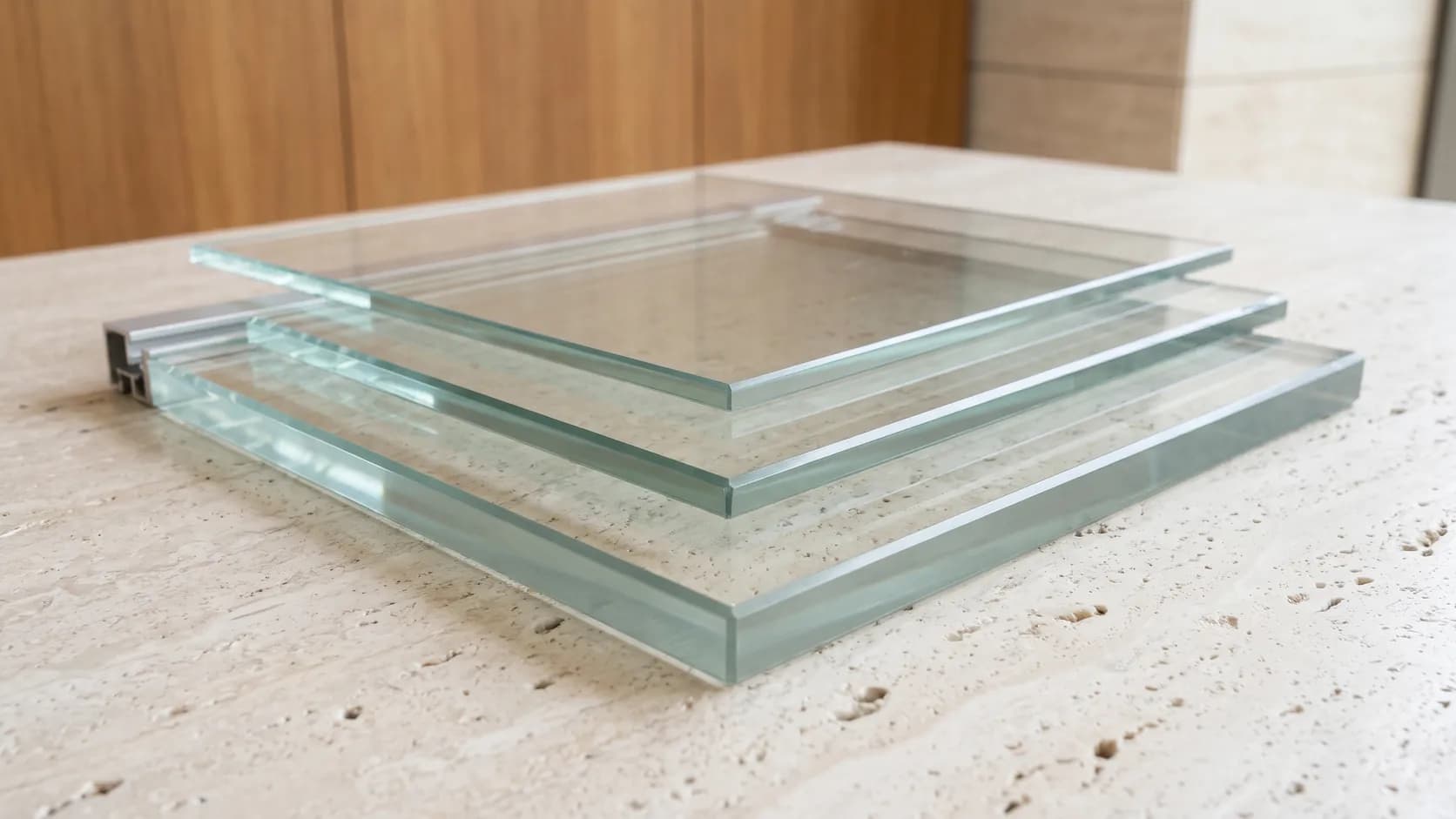
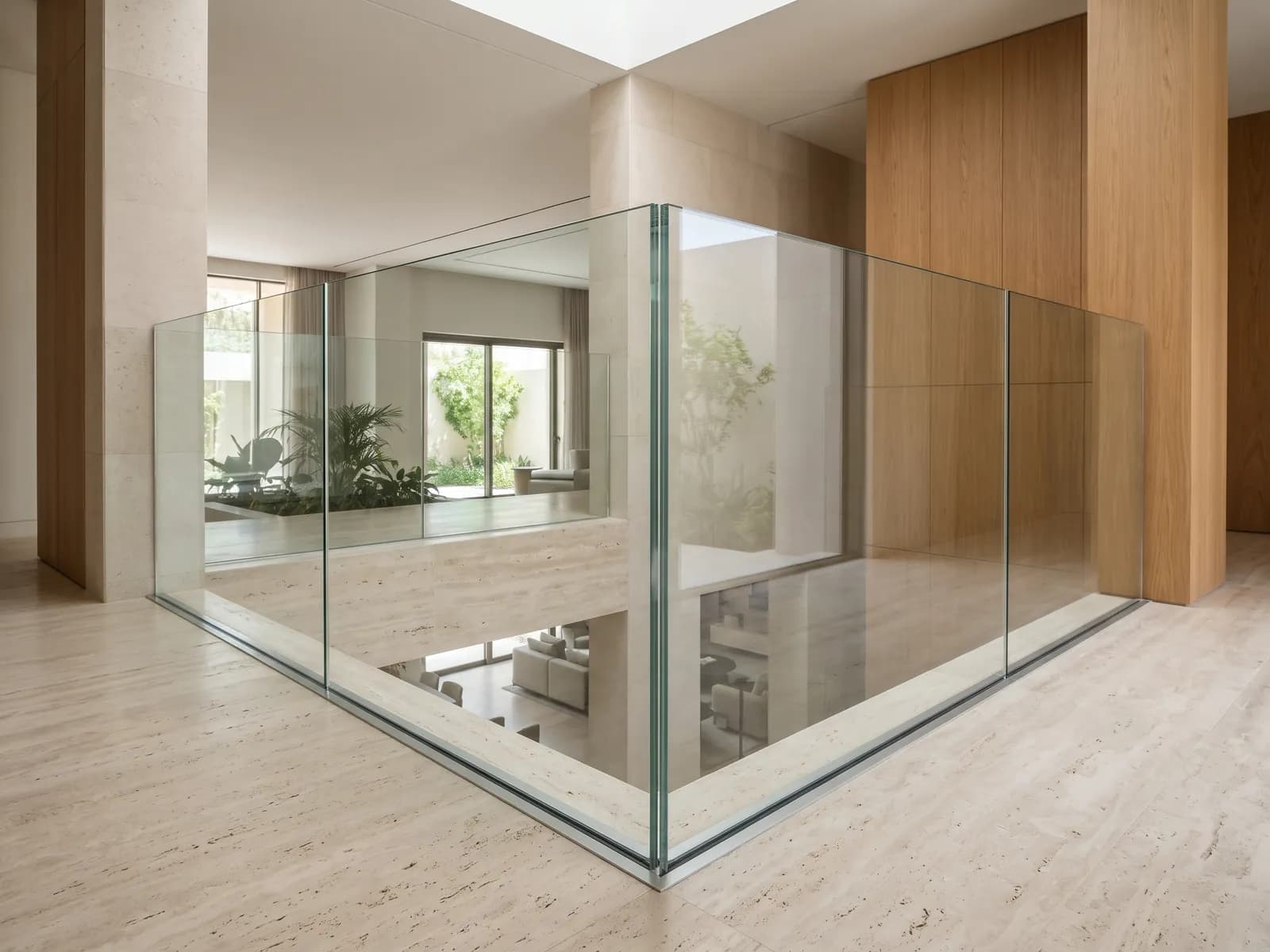
AI-generated illustration, not a photograph of a completed project.
Glass thickness is selected from panel dimensions, unsupported span, fixing method and expected loads, rather than area alone. For a Riyadh project, first identify whether the glass is a shower panel, door, office partition, balustrade or facade. Have the responsible designer review the complete specification before approving glass for fabrication.
What determines glass thickness?
Glass thickness follows the design of the panel and its support system, rather than a universal number for each application.
Panels with the same area can have different proportions, unsupported spans and fixing arrangements. Sending only the total glazed area of a project therefore does not provide enough information to select a thickness. Supply individual panel dimensions, the intended use and the locations of supported and unsupported edges, together with the design information needed to review the loads.
Start by defining the function of the glass. A partition between rooms, an external window and a protective barrier beside stairs perform different jobs. A specification suitable for one does not automatically transfer to another. Moving doors, fittings, holes and cut-outs also need to be identified so the glass can be considered alongside the surrounding system.
Is thicker glass automatically safer?
Increasing thickness does not, by itself, determine breakage behaviour or make ordinary glass suitable for a safety application.
Keep structural performance and behaviour after breakage as separate questions when reviewing a specification. Heat treatment, lamination and the intended application are considered alongside thickness. The guide to tempered and laminated glass explains the distinction, while the laminated glass page introduces its layered construction.
Avoid comparing quotations only by a description such as “strong glass”. Ask for the glass type, required treatment, layer build-up where applicable and fixing arrangement. Where a breakage could expose people to a fall or falling glass, the responsible specialist needs to review the safety of the complete system, not just the individual pane.
How do selection questions differ by application?
A useful glass comparison begins with application information, rather than assigning a ready-made thickness to every panel area.
| Application | Information needed | What is insufficient for selection? |
|---|---|---|
| Shower enclosure | Panel layout, door, fittings and support positions | Choosing from the enclosure's appearance alone |
| Office partition or door | Dimensions, supports, door operation and use | Copying a fixed partition specification to a moving door |
| Stair balustrade | Barrier function, loads, fixings and breakage requirements | Relying on pane thickness alone |
| Facade or skylight | Panel location, orientation, loads and safety requirements | Treating thermal insulation as a substitute for safety review |
This table helps you prepare the right questions; it is not an engineered specification for installation. If loading information or support details are missing, obtain them from the project designer before approval. Selecting a thicker pane yourself does not necessarily address a missing review of the fixing system or the function of a protective barrier.
What changes for a Riyadh project?
A Riyadh glass specification should address thermal performance, safety and privacy as separate requirements before bringing them together.
For external windows or facades, identify the opening's orientation and the project's solar-control and insulation requirements. Increasing pane thickness is not a substitute for specifying the appropriate thermal build-up. The Riyadh climate glass guide provides context for the questions to discuss with the project team.
For interior villa and office glazing, explain privacy requirements, edge appearance and how the glass meets doors or adjacent finishes. These details clarify the enquiry but do not replace the review of loads and support conditions. For shower enclosures, include a panel layout and the direction of door opening instead of relying on a reference photograph alone.
What should you send before ordering?
A clear glass enquiry brings dimensions, quantities, use and processing details into one set of information that can be reviewed consistently.
ALFA STAR for Glass is a glass processing factory in Riyadh. Provide the approved specification and panel schedule so the team can understand the requested processing scope. Identify who approves final dimensions and who is responsible for the fixing design. Do not assume that a quotation for processed glass includes engineering design or installation unless the scope expressly says so.
- A drawing or schedule identifying each panel, location and quantity.
- Confirmed dimensions, or a clear note that measurements remain preliminary.
- Glass type, build-up and treatment according to the approved specification.
- Edge, hole and cut-out details coordinated with the proposed fittings.
- Identification of the party reviewing loads, fixing details and design approval.
Dimensions and holes are resolved before tempering: tempered glass cannot subsequently be cut or drilled. Use the processed glass ordering checklist to organise the information before sending your enquiry. The aim is a quotation based on a shared description, rather than different assumptions made by the owner, designer and supplier.
Frequently asked questions about glass thickness
A reliable thickness answer needs application details, so these questions focus on what should be confirmed before selection.
Is panel area enough to choose a thickness?
No. Provide length, width, support arrangement, intended use and approved loading information; equal areas can have different design conditions.
Can a shower specification be used for a stair balustrade?
Not automatically. A balustrade performs a barrier function, requiring its loads, fixing system and safety behaviour to be reviewed for that application.
Can dimensions change after tempering?
Tempered glass cannot be cut or drilled after tempering, so final dimensions and hole positions must be resolved before that stage.
Send your drawings and approved specification through request a quote to discuss the processed glass required for your Riyadh project.
Share this guide
Related Products
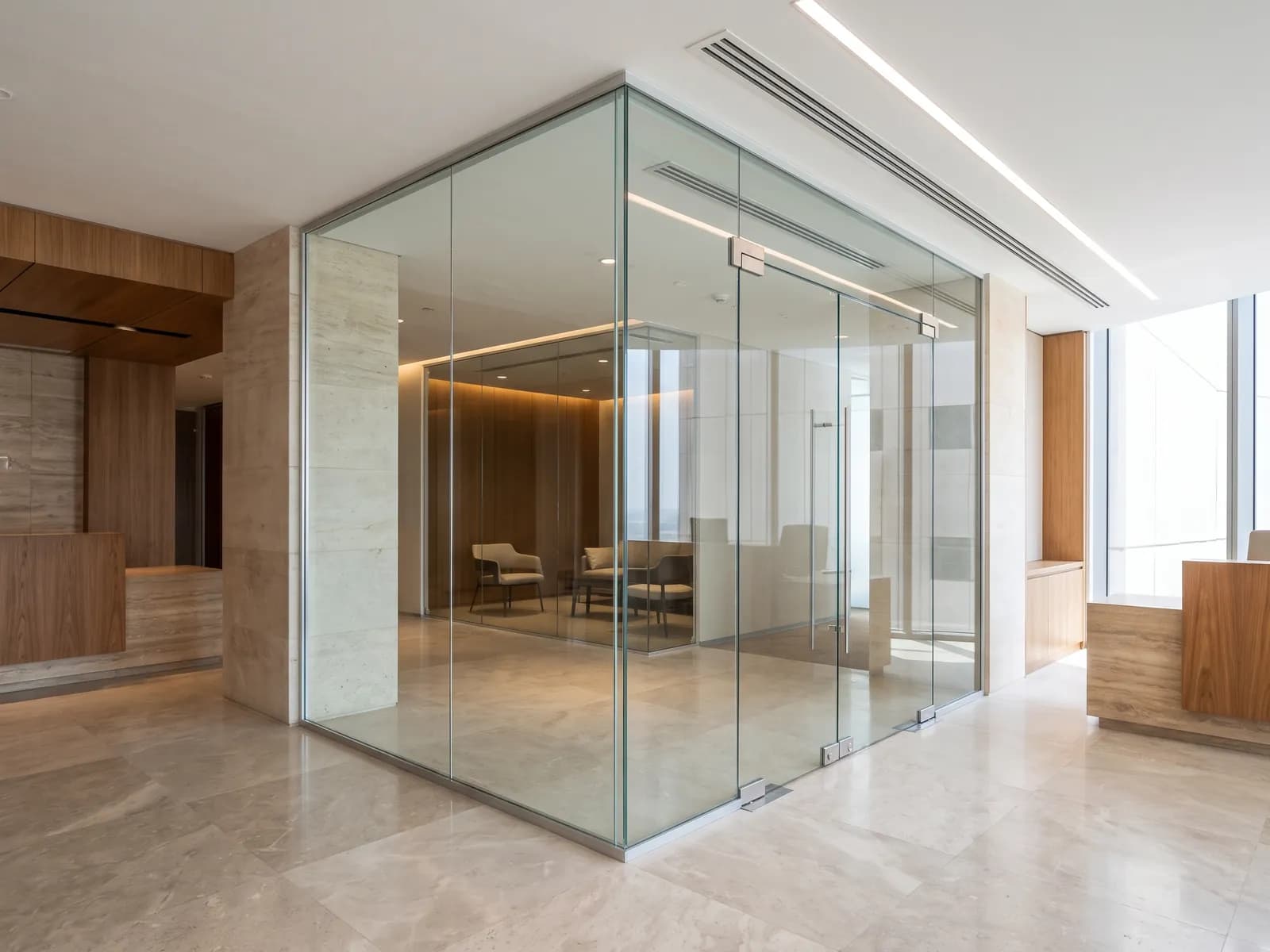
Tempered Glass
Heat treated glass that resists impact and breaks into small blunt granules, making it the standard choice wherever safety matters.
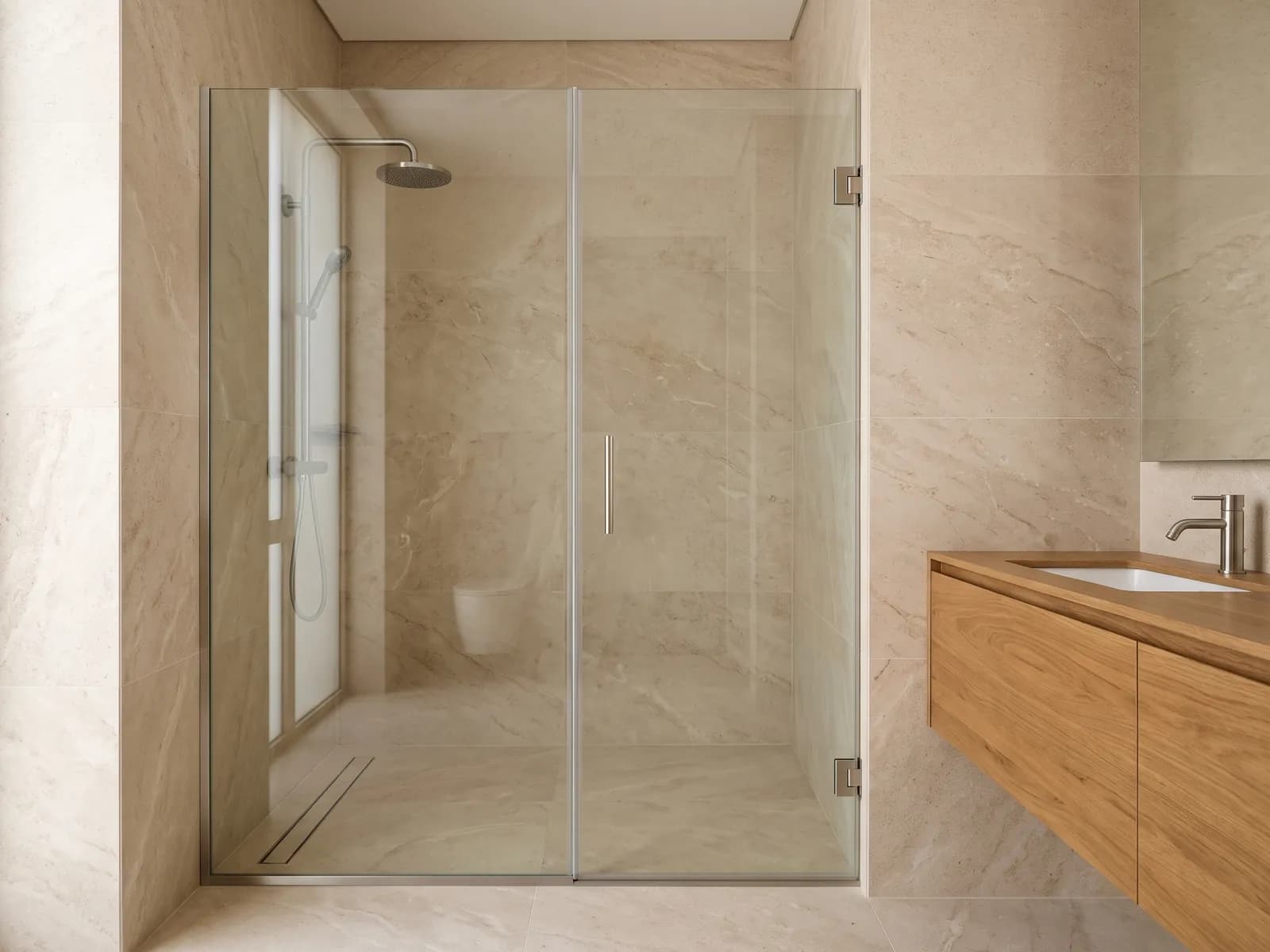
Shower Enclosures
ALFA STAR for Glass makes custom glass shower enclosures to measure in its Riyadh factory, and installation is also available. Tempered glass enclosures in 8 or 10 mm with corrosion-resistant hinges and fittings.
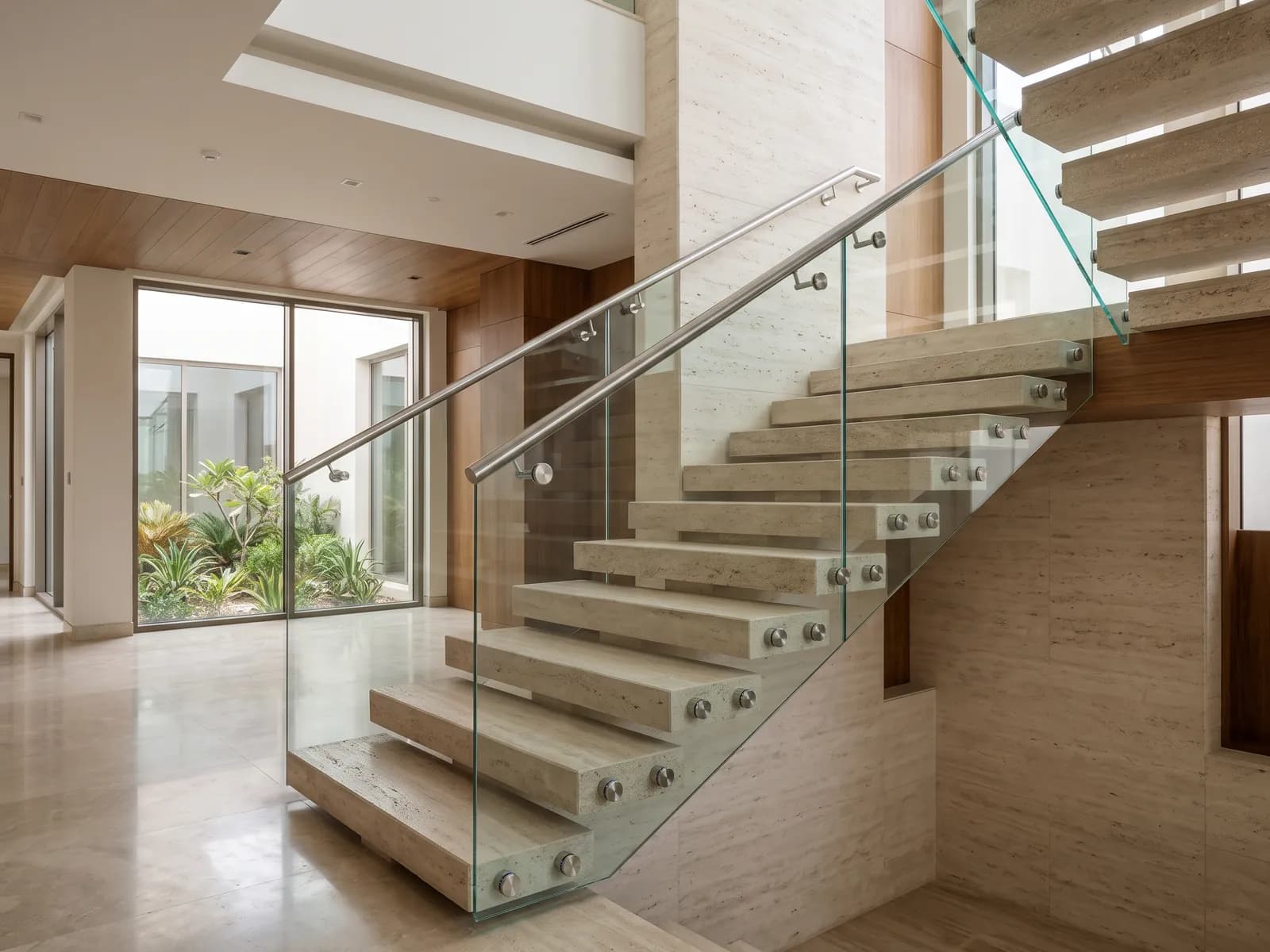
Stairs & Balustrades
Frameless or aluminium-framed balustrades in tempered laminated glass meeting load requirements.
Laminated Glass
Two glass panes bonded by a PVB interlayer; on breakage the fragments stay bonded to the layer.