
Tempered or Laminated? A Selection Guide
August 1, 2026 · 6 min read
Both are safety glass but they solve different problems. The question is not which is stronger but what happens when the pane breaks: tempered falls, laminated stays in place.
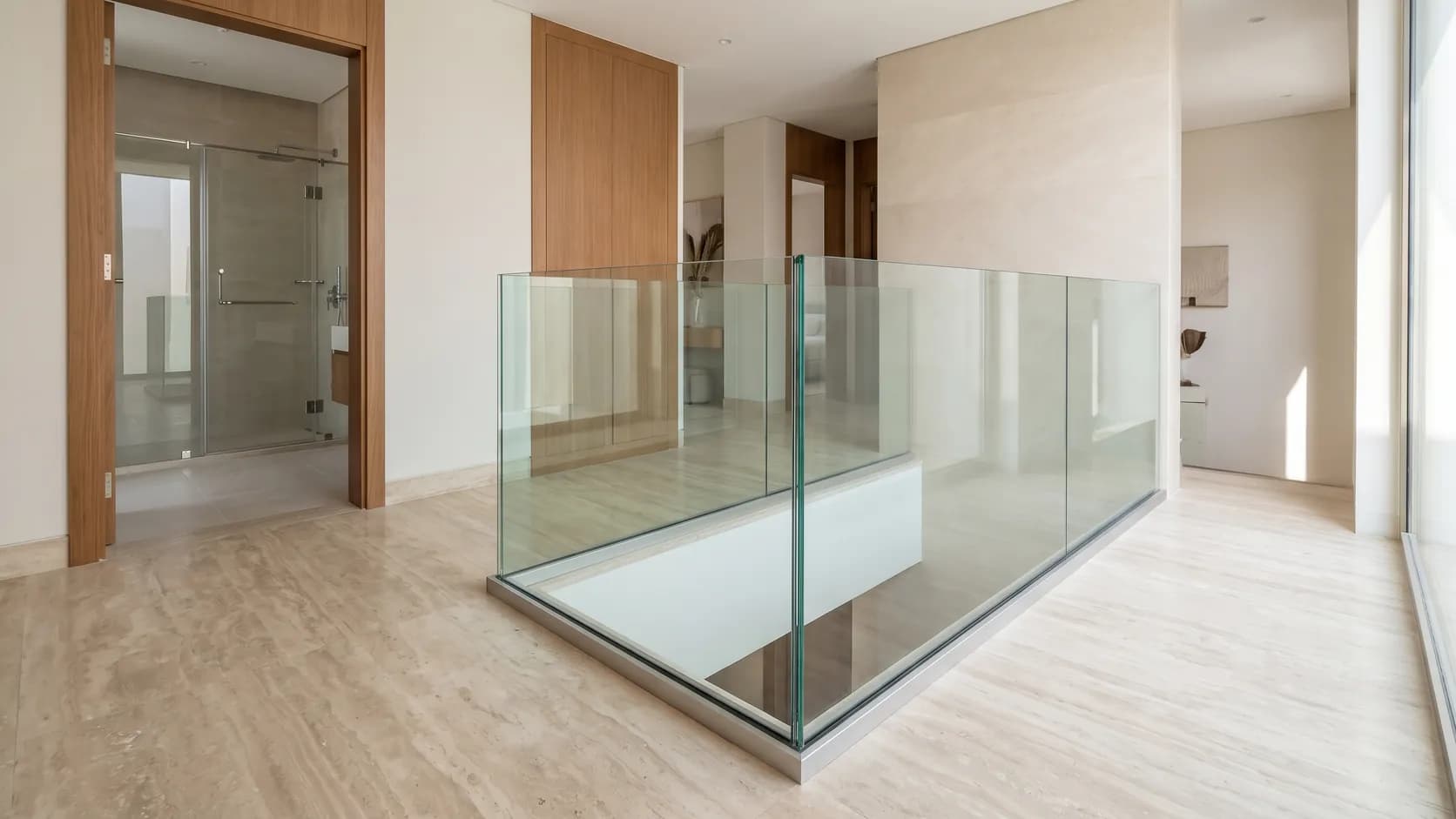
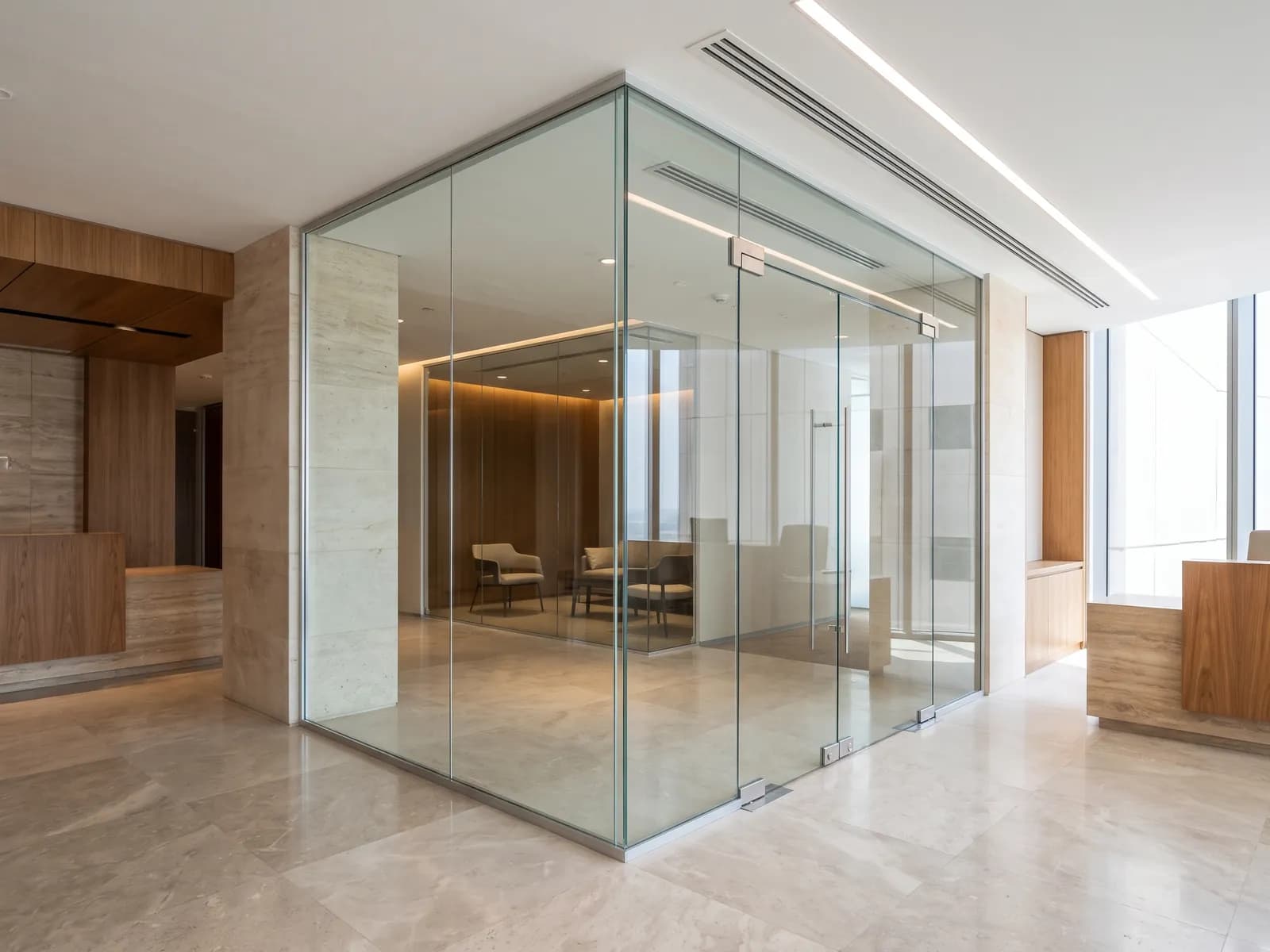
AI-generated illustration, not a photograph of a completed project.
Both are safety glass, but they solve two different problems. The question that settles the choice is not "which is stronger" but what happens when the pane breaks.
The difference in one line
- Tempered crumbles into small, blunt granules - and then falls.
- Laminated cracks, but the interlayer holds the fragments - so the pane stays in place.
The comparison
| Tempered | Laminated | |
|---|---|---|
| Breakage behaviour | Small granules | Fragments bonded to the film |
| After breakage | Falls, the opening is left unguarded | Stays standing |
| Cutting after fabrication | Not possible | Possible within limits |
| Acoustic performance | Baseline | Better, thanks to the interlayer |
| Ultraviolet blocking | No | Yes, to a high percentage |
| Mechanical resistance | Higher | Lower than tempered at equal thickness |
The decisive question: is falling the risk?
This is the practical criterion:
- If falling is the risk - a balustrade, a skylight, overhead glazing, glazing above a walkway - the answer is laminated. No exceptions. The pane must stay in place after it breaks.
- If the risk is sharp fragments near a person - a door, a shower enclosure, a partition - tempered is enough.
The most repeated mistake
Using tempered alone in a balustrade. The pane is strong, true, and takes more impact than laminated at the same thickness. But when it breaks - even years later, even from a microscopic inclusion - it crumbles and falls completely, leaving the opening unguarded at height.
Strength is not the issue here. Staying in place is the issue.
When both are used together
They are not always alternatives. In sensitive applications two tempered panes are laminated together: high impact resistance combined with fragments that stay bonded. This is the usual build-up in skylights and structural facades.
A note on fabrication
Tempered glass cannot be cut or drilled after the furnace; everything is done before it. Laminated glass accepts some processing after lamination, but within limits, because a cut passes through two layers and a film between them.
For the choice in residential projects see residential and villa projects.
Share this guide
Related Products
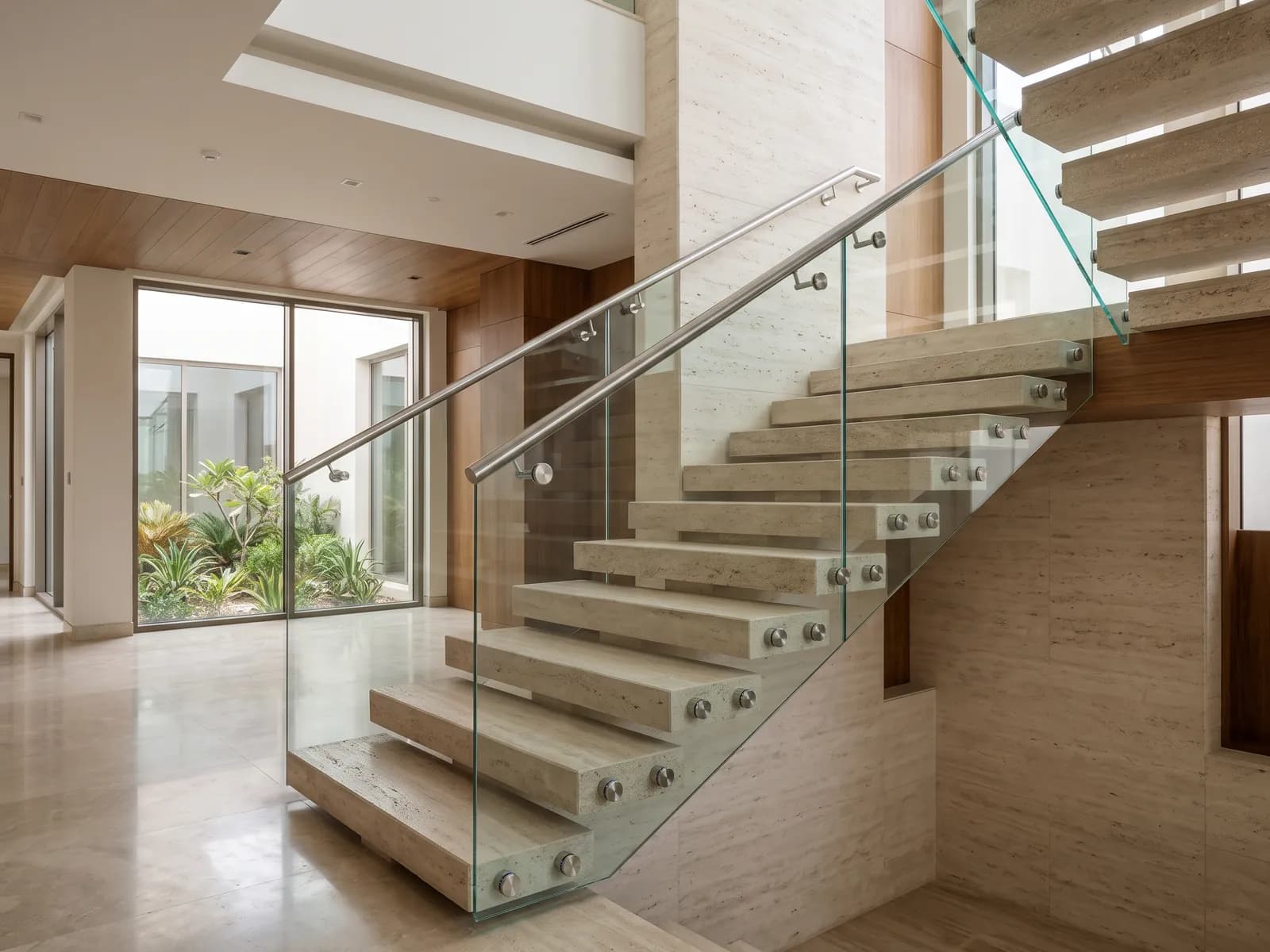
Stairs & Balustrades
Frameless or aluminium-framed balustrades in tempered laminated glass meeting load requirements.
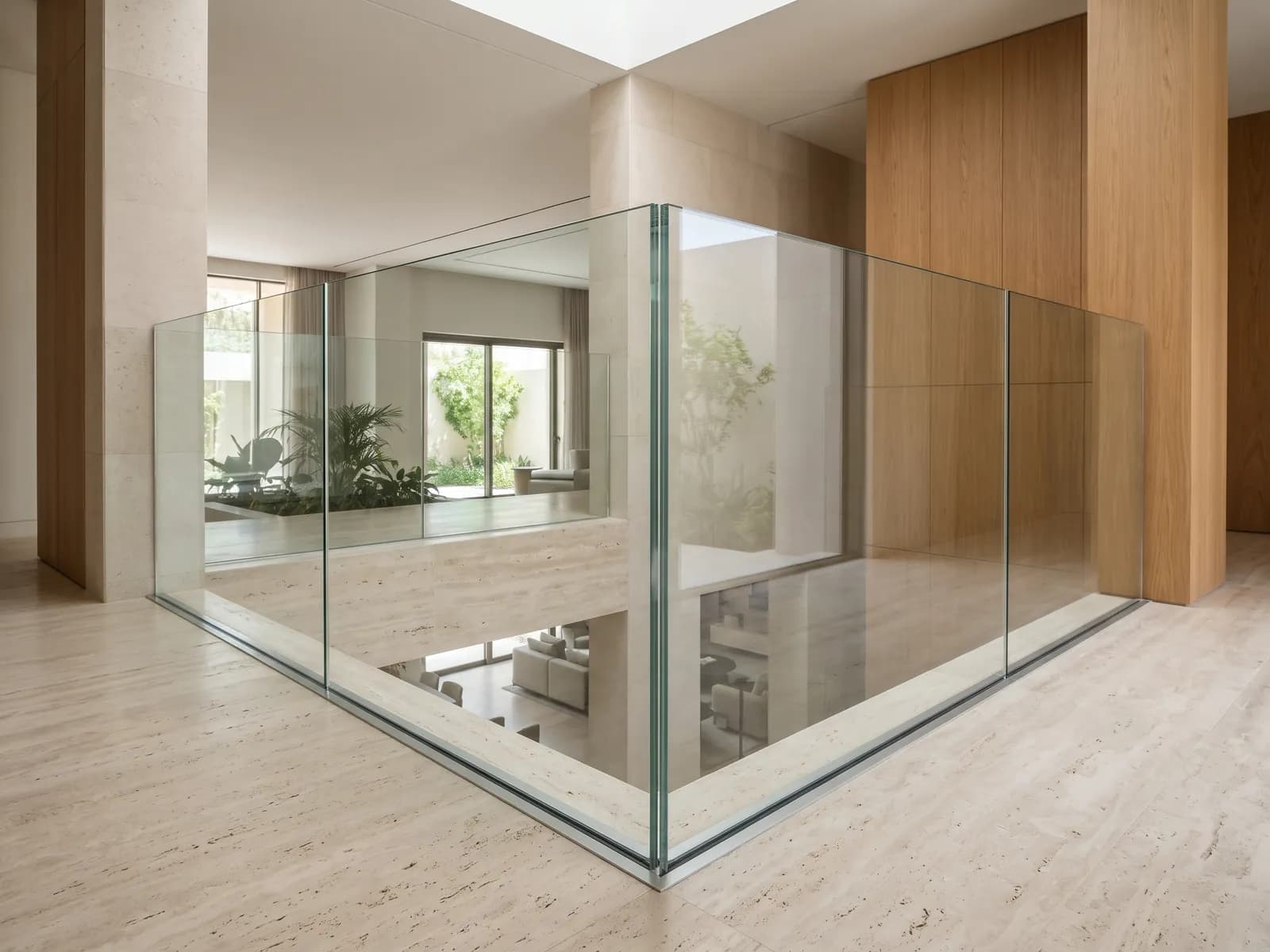
Laminated Glass
Two glass panes bonded by a PVB interlayer; on breakage the fragments stay bonded to the layer.
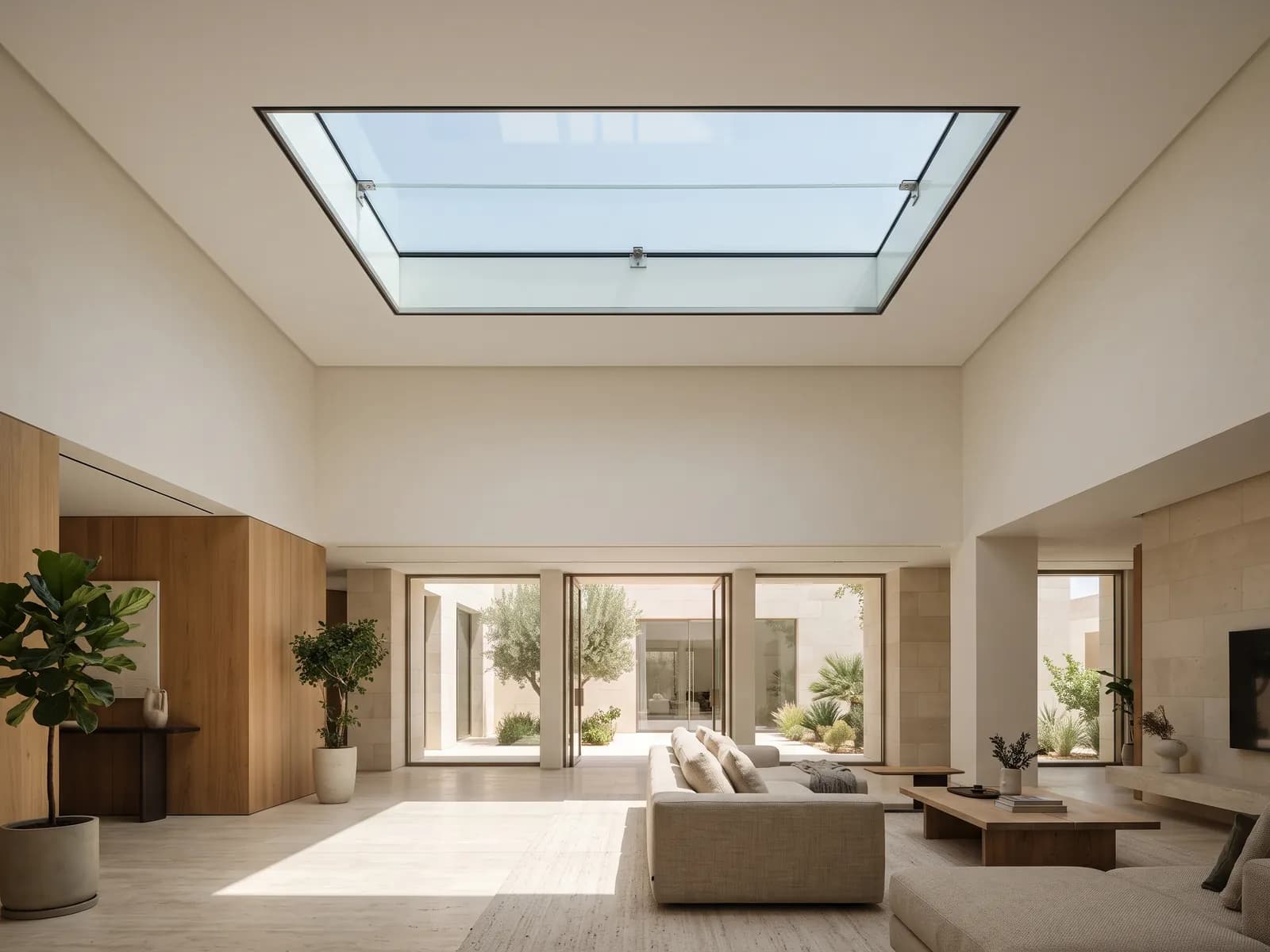
Skylight Glass
Overhead glazing: a glass roof or rooflight bringing daylight in from above. Because the pane sits over people, the safety requirements differ from any vertical glazing, and lamination is a requirement rather than an option.
Tempered Glass
Heat treated glass that resists impact and breaks into small blunt granules, making it the standard choice wherever safety matters.