
Black & Brown Tinted Glass
Body-tinted glass: the colour is part of the glass mix, not a layer on the surface, so it cannot scratch off or fade. It cuts light transmission and glare and gives daytime privacy. Available from 5 mm to 12 mm.
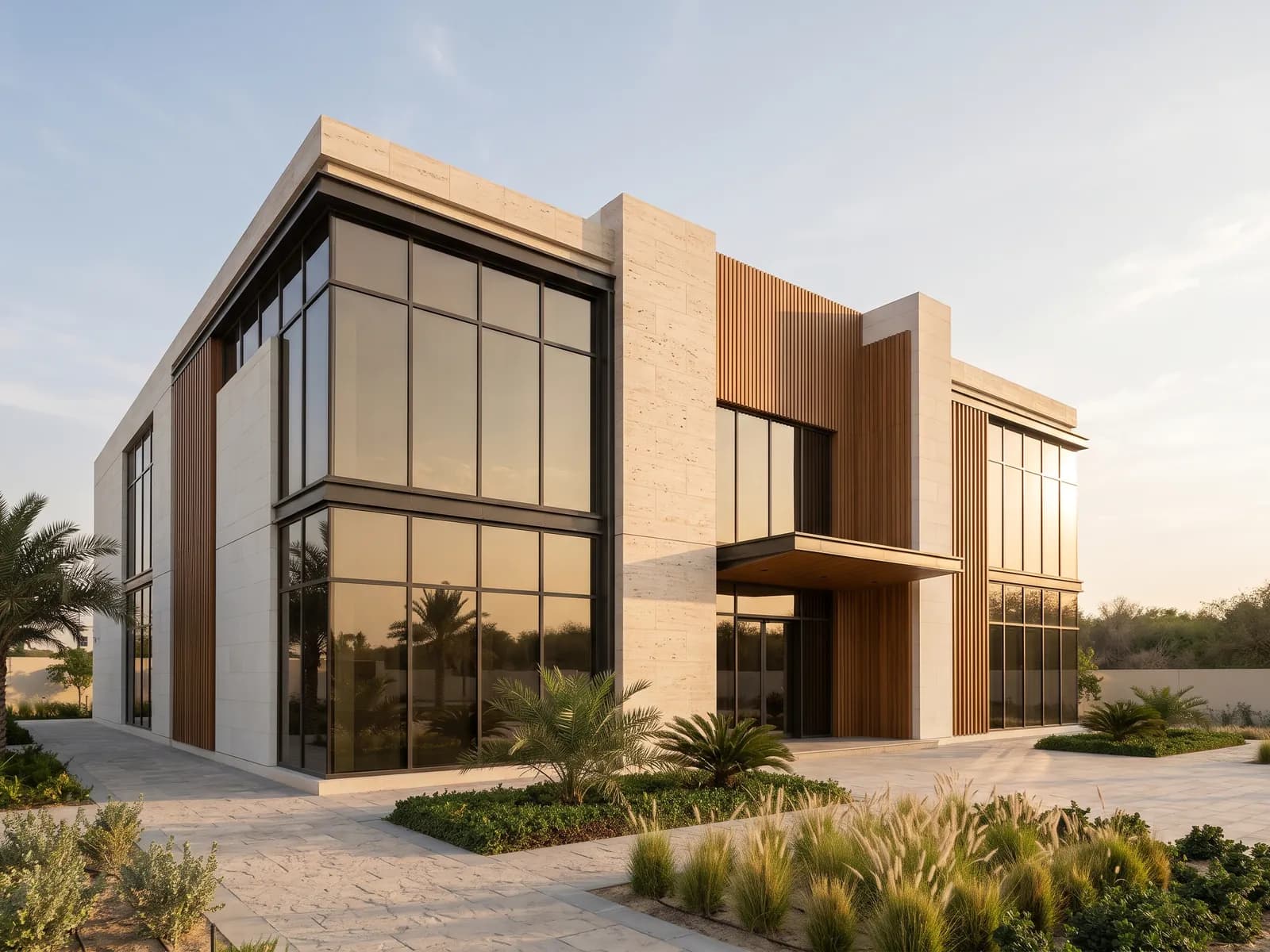
In tinted glass, metal oxides are added to the melt itself, so the colour is part of the glass. This is fundamentally different from an applied film or coating: there is no layer that can scratch, peel or fade in the sun.
The colour works by absorption - the pane absorbs part of the solar energy rather than reflecting it.
What the tint changes
| Property | Clear glass | Black / brown |
|---|---|---|
| Light transmission | High | Reduced, by thickness and tint |
| Interior glare | High | Reduced |
| Daytime privacy | No | Yes |
| Heat absorption | Low | High |
The point to watch
Because the pane absorbs energy instead of reflecting it, it runs hotter than clear glass. If part of the pane sits in shade and part in sun - which always happens behind curtains or at reveal edges - a temperature difference builds up inside the pane itself and can cause thermal breakage.
Practical rule: the thicker the glass, the darker the tint, or the longer the direct exposure, the stronger the case for tempering the pane. Tempering raises thermal shock resistance substantially.
Tint is not insulation
Tinted glass reduces light and glare, but it does not block heat transfer the way a low-emissivity coating does. Where the goal is to cut cooling load, the answer is Low-E glass or high performance glass, and tint and coating can be combined in one insulating unit.
Where it is used
- External facades where glare must be reduced.
- Screens and partitions that need daytime privacy.
- Decorative surfaces and dark backing panels.
Key Advantages
- Colour in the body, cannot scratch or fade
- Cuts glare and light transmission
- Daytime privacy
Technical Specifications
| Thickness | 5 - 12 mm |
|---|
Applications
- External facades
- Screens and partitions
- Decorative surfaces
Frequently Asked Questions
Does tinted glass fade over time?
No. The colour is part of the glass body itself, because the oxides are added to the melt rather than applied to the surface. There is no layer that can scratch, peel or fade. This is the essential difference from applied film.
Does tinted glass insulate against heat?
It reduces glare and light transmission, but it works by absorption rather than reflection, so it is not a substitute for insulation. To cut cooling load, low-E or solar control glass is used, and tint and coating can be combined in one unit.
Does tinted glass need to be tempered?
Usually yes. Because the pane absorbs energy it runs hotter than clear glass, and if part of it sits in shade while part is in sun, a temperature difference builds inside the pane that can cause thermal breakage. The thicker, darker or more exposed it is, the stronger the case.
Related Guides
Request a Quote
Request a Quote